Lifeguard Instructor Class

Last updated

Lifeguard Instructor Class

Lifeguards are an essential part of water safety - but even they need to start somewhere. For this reason, being a Lifeguard Instructor is a great way to give back to the community and help keep others safe.

If you're thinking of becoming a Lifeguard Instructor, it's vital that you receive the right training before you begin working with students. The best way to make sure you have everything you need is to take a Lifeguard Instructor Class. The best courses will cover essential teaching methods and lifeguarding skills, and help you achieve your instructor certification, too.

However, with so many different courses available, it can be hard to know exactly how to become a lifeguard instructor, and which class is the right one for you. If you're feeling unsure, this little guide will take you through everything you need to know about lifeguard instructor classes, so that you'll be as prepared as possible to achieve your certification.

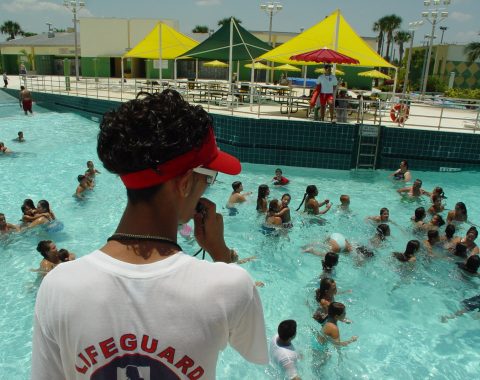
Lifeguard in a white lifeguard shirt and red visor watching swimmers in a busy outdoor pool

What does a lifeguard instructor class train me to do?

Keep reading for answers to the most frequently asked questions about taking lifeguarding classes, and becoming an instructor.

What is a Lifeguard Instructor?

Ultimately, a Lifeguard Instructor is someone who teaches students how to become a Lifeguard themselves. The majority of Lifeguard Instructors will have prior experience in lifeguarding themselves, which is a great advantage when demonstrating key procedures and administering safety training.

It generally involves ensuring that all new lifeguards have the knowledge they need, on topics including rescue techniques, first aid, and spotting danger signs. Instructors will often be involved in testing students who hope to achieve their Lifeguard Certification, and this can involve both practical and written exams.

Life-Saving Statistics

What will the class requirements be?

Class requirements can vary across providers, but here are a few basic factors that most courses tend to require:

  • Participants usually must be at least 17 years old before they complete the course.
  • Possess certificates in American Aquatics and Safety Training Lifeguarding/First Aid/CPR/AED or a similar combination - this may vary depending on your location or course provider. These certificates must be current, and not have expired before your course begins.
  • Successfully complete any online classes with the American Aquatics and Safety Training Lifeguard Learning Center before your in-person classes.
  • Pass 2-4 rescue skill scenarios during your first class.
  • Complete the basic swim skills test, which usually includes a 300-yard swim, water-treading, and item removal from the pool.

Keep in mind that you may have to provide proof of age or prior certification, so it's a good idea to keep these documents to hand.

It's always best to check the requirements for your individual Lifeguard Instructor Course, to ensure that you're adequately prepared for your first class, and your training is not delayed in any way

What will the course cover?

A good Lifeguard Instructor Certification Course will not only refresh your knowledge of basic water rescue procedures, but it will provide you with vital teaching techniques, and help you to plan Lifeguard Training courses for your own students.

The American Aquatics and Safety Training Lifeguard Instructor Course is a comprehensive option, and will help you develop the following skills to a professional rescuer standard:

  • American Aquatics and Safety Training Lifeguarding skills, including those for shallow water lifeguarding.
  • Life-Saving Techniques including Lifeguarding First Aid/CPR/AED and administering emergency oxygen.
  • Waterfront Skills including Water Rescue Safety Training.
  • Knowledge on delivering Safety Training for Swim Coaches.
  • Awareness of Bloodborne Pathogens and preventing disease transmission.
  • Lifeguard management, including teaching new students, and planning safe swim courses.
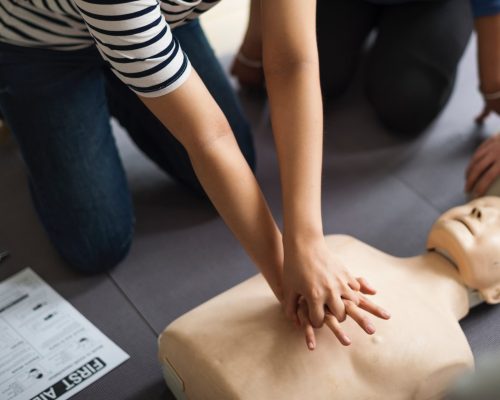
CPR class

What tests will the course include?

In order to complete an American Aquatics and Safety Training Lifeguard Instructor Course, you will need to pass a few tests. Before you begin the lifeguard instructor course, you'll be asked to complete a swim test, and pass some rescue scenario tests.

Once you've completed the class, in order to achieve an American Aquatics and Safety Training Lifeguard Instructor Certification, you will also need to achieve the following:

  • Attendance and completion of all classes in your chosen course.
  • A score of 80% or above on the Bloodborne Pathogens Training Instructor Test.
  • A score of 80% or above on the Administering Emergency Oxygen written test.
  • An overall score of 80% or above on the lifeguarding instructor course's final written test.
How can I prepare?

The best way for instructor candidates to prepare for both their class and their tests is to research ahead of time.

Always take a look at the class syllabus, so you'll be aware of what the course will cover, and what you'll be tested on. This way, you can make sure you've revised whats important, and can even attempt practice questions for any written exams, such as the Administering Emergency Oxygen test. Try to go over rescue scenarios and practice for your swim test, too.

What the step up to instructor actually involves

The move from lifeguard to instructor is less about learning new rescue skills than about learning to assess them in someone else. A working lifeguard performs a spinal roll correctly; an instructor has to watch six candidates perform it, spot which one is letting the head drift out of alignment, explain why it matters, and decide whether the attempt meets the standard. That is a different competency, and it is the part most candidates underestimate.

You need to arrive already current. An instructor course assumes your own lifeguard, CPR/AED and First Aid certifications are valid, because the course does not re-teach them. Candidates whose certification has lapsed should renew before enrolling rather than expecting the instructor course to cover it, and anyone whose personal skills have gone rusty should refresh them first, you will be demonstrating to a room, and the demonstration is the teaching.

The responsibility is worth stating plainly. Once you are certifying candidates, the standard you accept becomes the standard they take onto a pool deck. An instructor who passes a marginal spinal management attempt has put that candidate, and everyone they supervise, in a worse position. The best instructors are usually the ones most willing to tell a candidate they are not there yet, and to explain exactly what to work on.

Reviewed by Jackie Stern, Lifeguard Instructor, Firefighter and EMT. Jackie Stern has taught lifeguarding for more than 20 years and works as a firefighter, EMT and swim instructor. She reviews course content, prerequisites and rescue standards against current certification requirements.

This site is protected by reCAPTCHA and the Google Privacy Policy and Terms of Service apply.